The UK's first AI-powered Margin-at-Risk co-pilot for hospitality unifying labour scheduling, kitchen prep, and waste management into a single real-time intelligence engine. Specifically hardcoded for the April 2025 NIC statutory landscape. Every shift, every penny, protected.
The UK hospitality sector the nation's 6th largest employer is trapped in a "low-margin pincer movement." The April 2025 NIC increases, rising National Living Wage, and a £3.2 billion annual food waste crisis are forcing independent SMEs into closure. Legacy tools offer post-mortem reports days after losses occur. That is not enough.
Profit Orchestration Network is an AI-powered operational co-pilot that converts fragmented POS and labour data into real-time, profit-preserving directives instantly. Built on a robust Java/Spring Boot microservices architecture at TRL 7, the platform synchronises front-of-house staffing with back-of-house production with sub-200ms latency.
Manpreet Kaur is a highly skilled Java Software Developer with specialized expertise in J2EE and Spring Frameworks, holding an MSc in Information Technology (72%).
With 3 years of professional experience building enterprise-grade backend systems, her hands-on involvement in the Margin-at-Risk engine including SQL optimization, RESTful API integrations, and UK statutory hardcoding ensures every directive is technically defensible and operationally trustworthy.
Her vision: no independent hospitality business should close due to profit leakage they could not see in real time.
Contact the Founder →Every service shift passes through Profit Orchestration's four-stage intelligence pipeline converting fragmented POS and labour data into live profit-centric directives that protect every penny of margin.
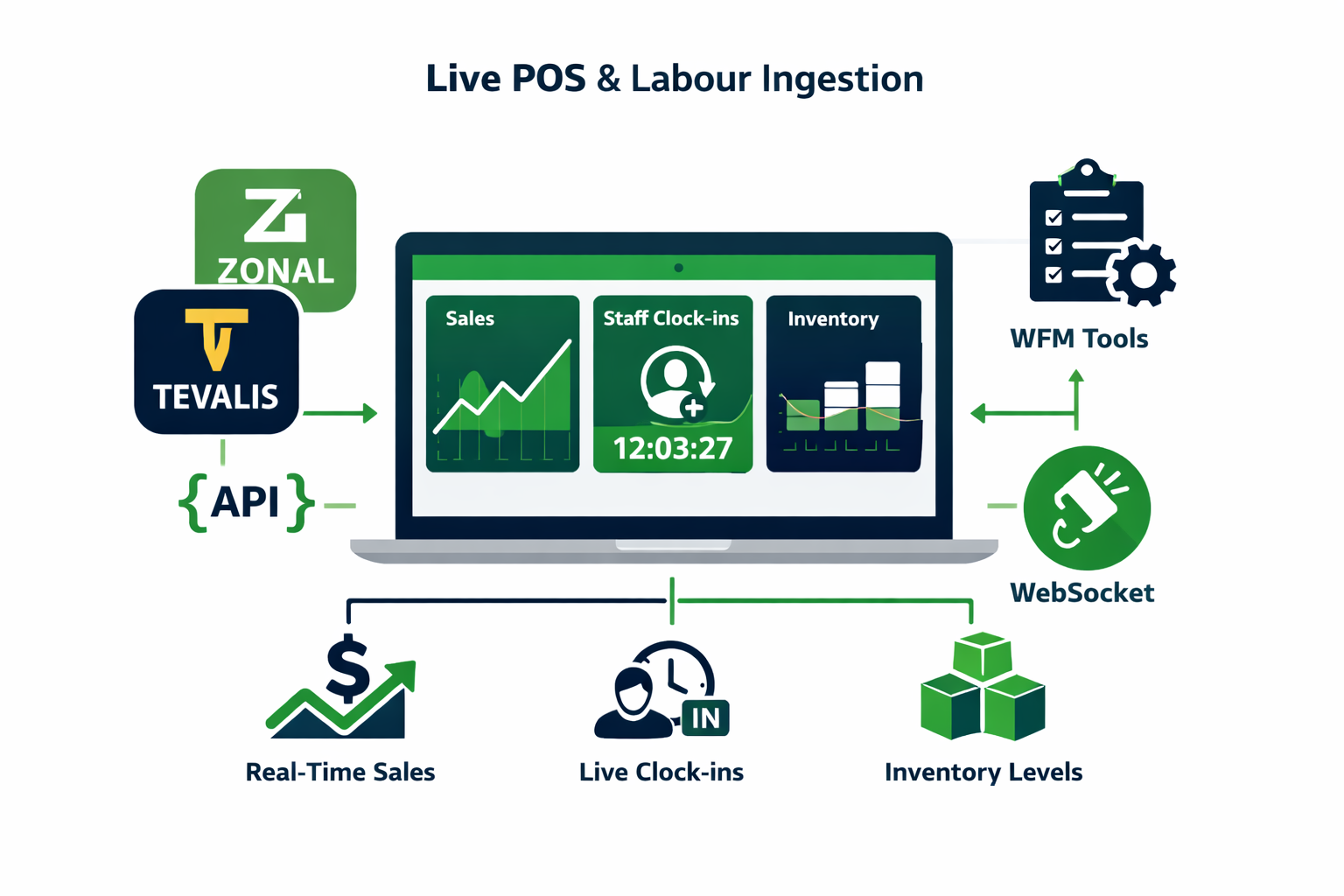
The platform connects seamlessly to existing POS systems (Zonal, Tevalis) and WFM tools via RESTful APIs and WebSocket integrations creating a unified real-time view of sales velocity, staff clock-ins, and inventory levels without hardware changes.
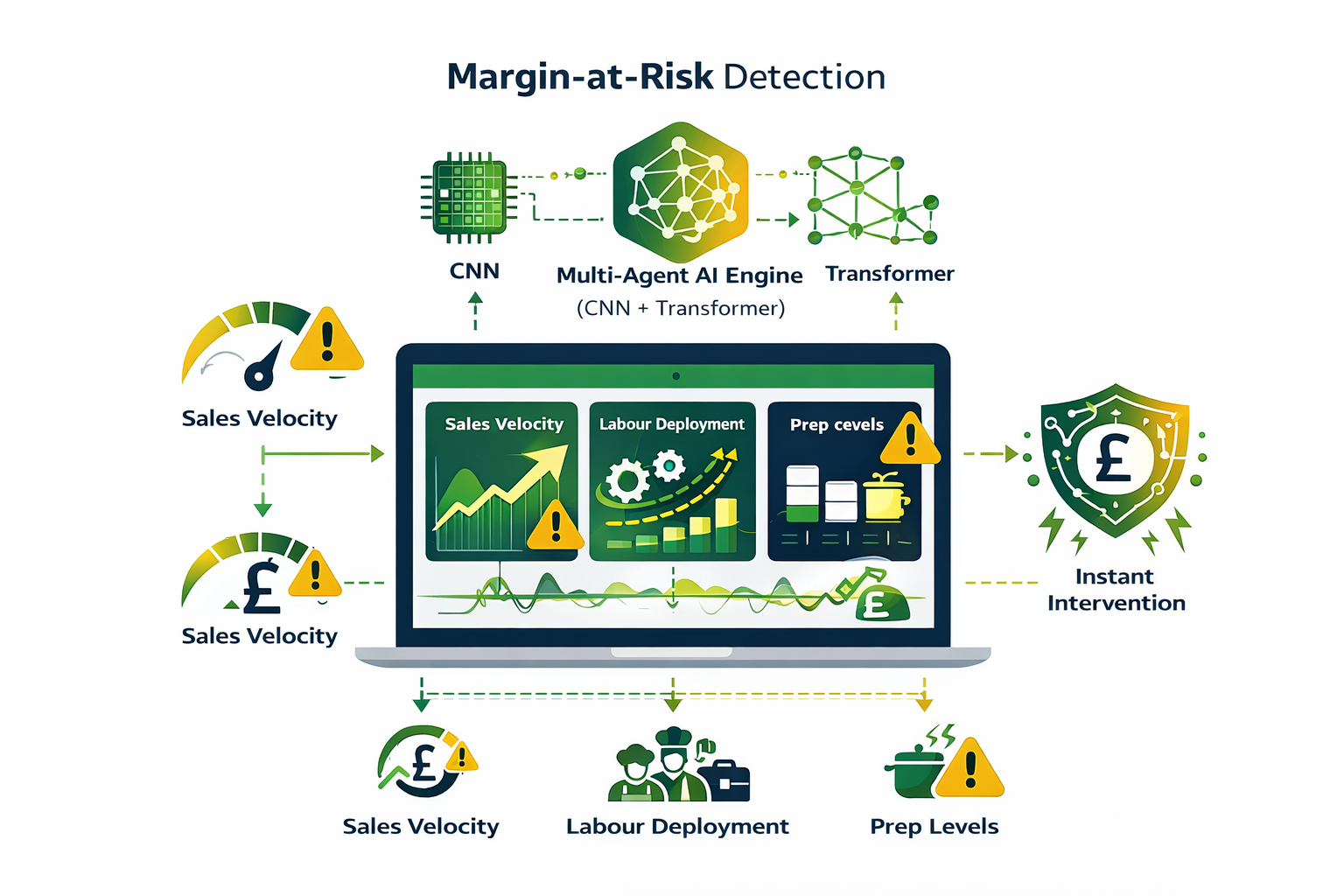
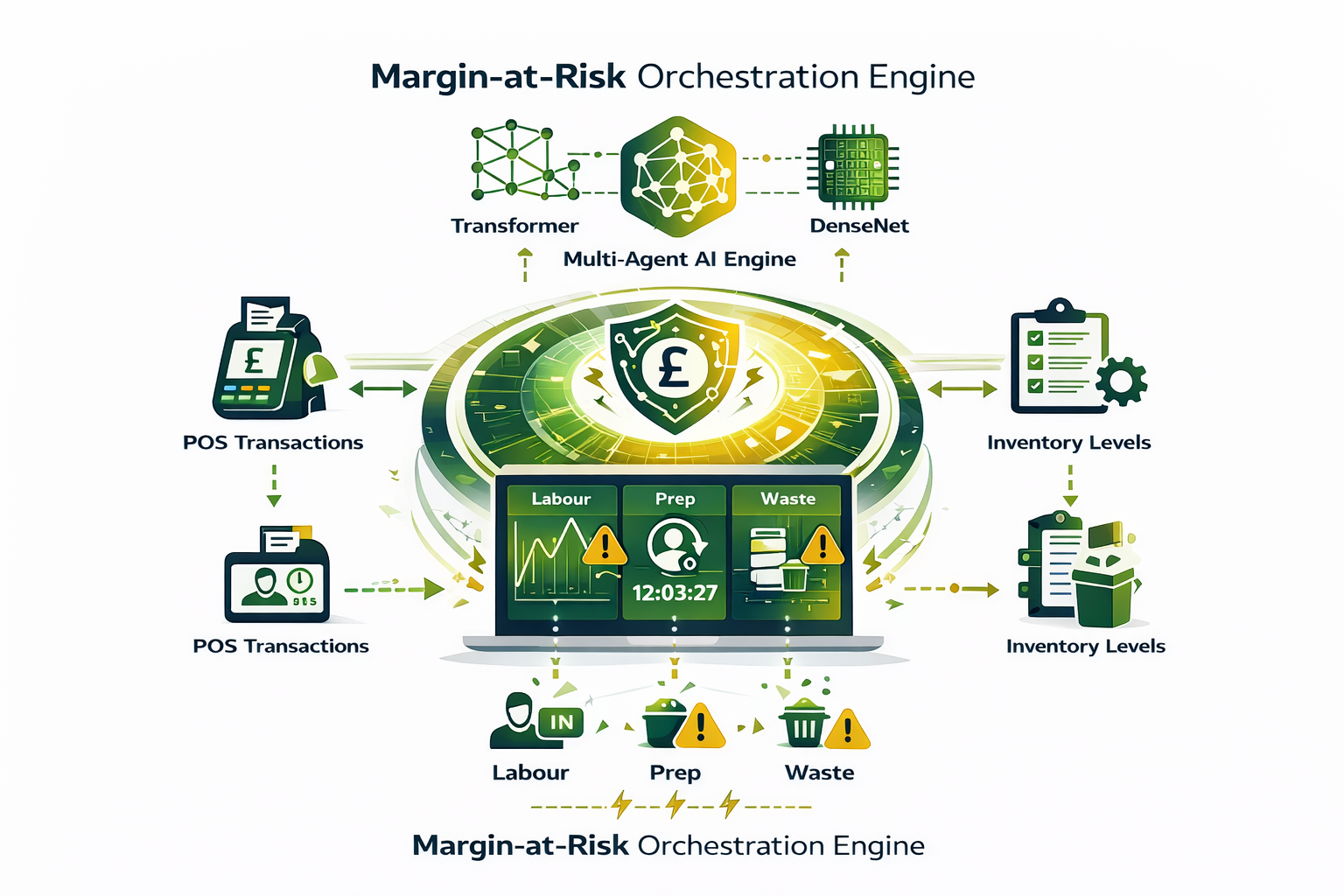
The multi-agent AI engine (CNN + Transformer architecture) analyses live transaction velocity against current labour deployment and prep levels identifying profit leakage patterns within milliseconds and issuing instant intervention sequences before a shift's margin is lost.
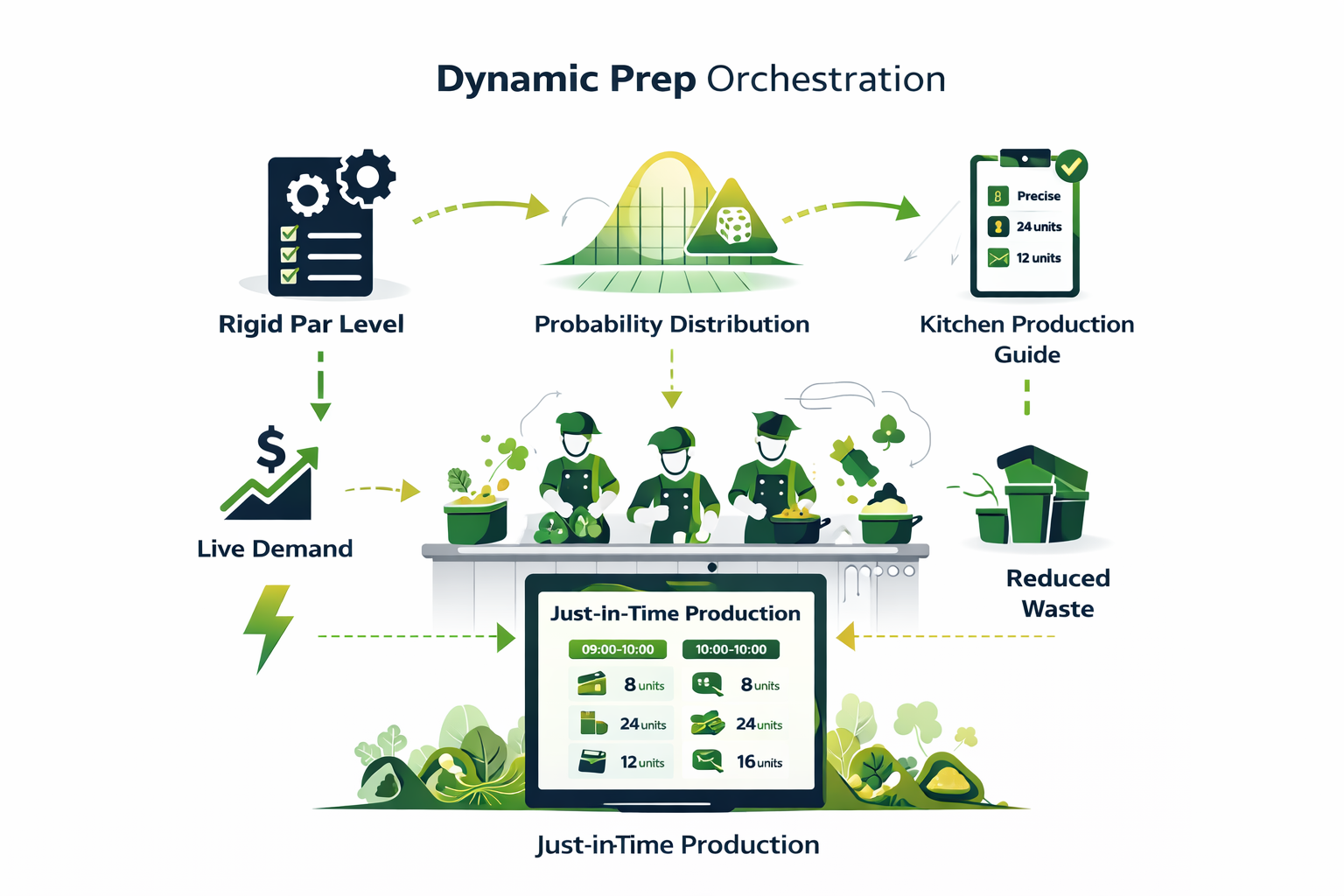
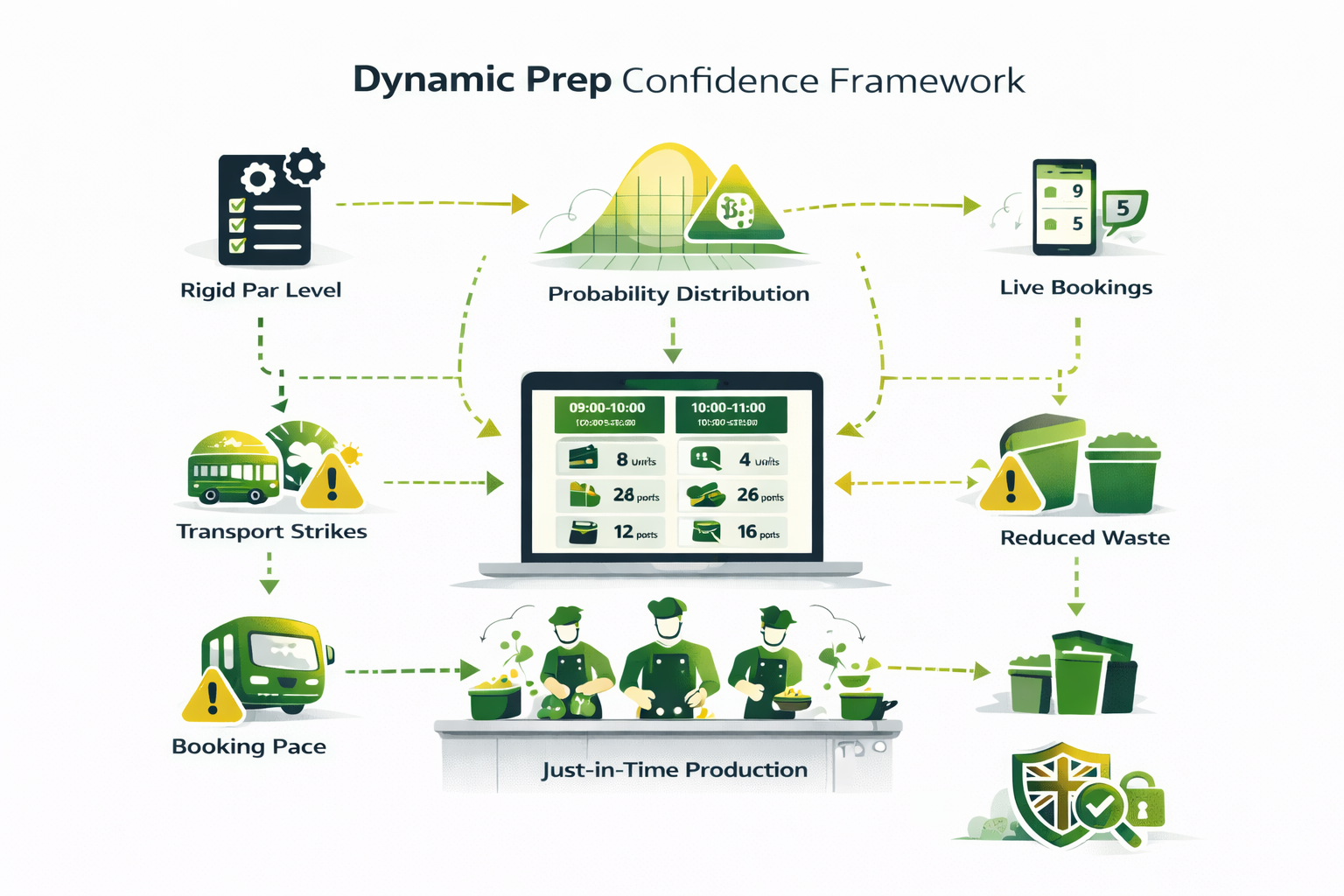
The Dynamic Prep Confidence Framework replaces rigid par levels with probability-based kitchen production guides. Kitchen teams receive precise directives on exactly how much to prepare for the next 60–120 minutes eliminating avoidable waste through just-in-time production aligned with live demand.
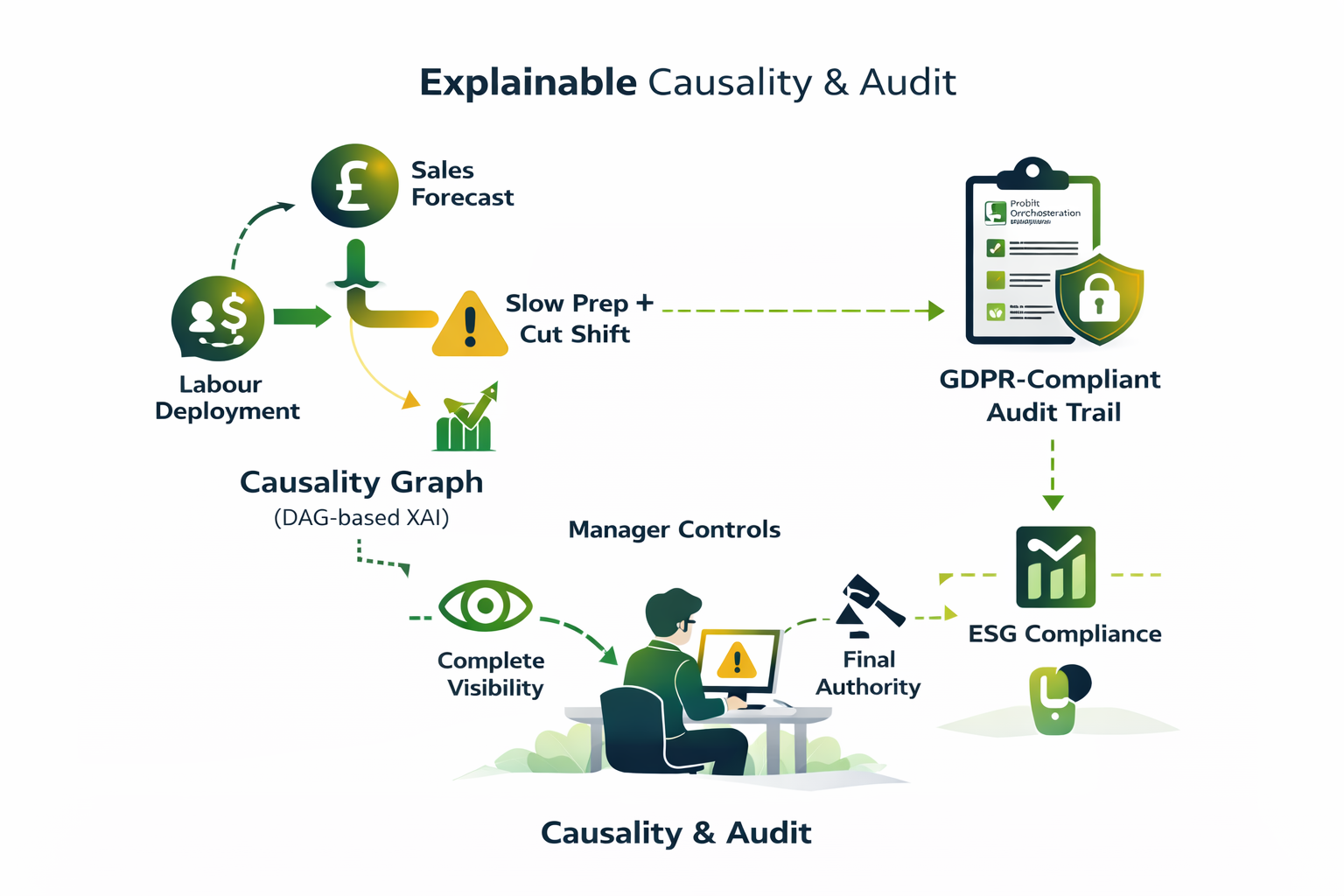
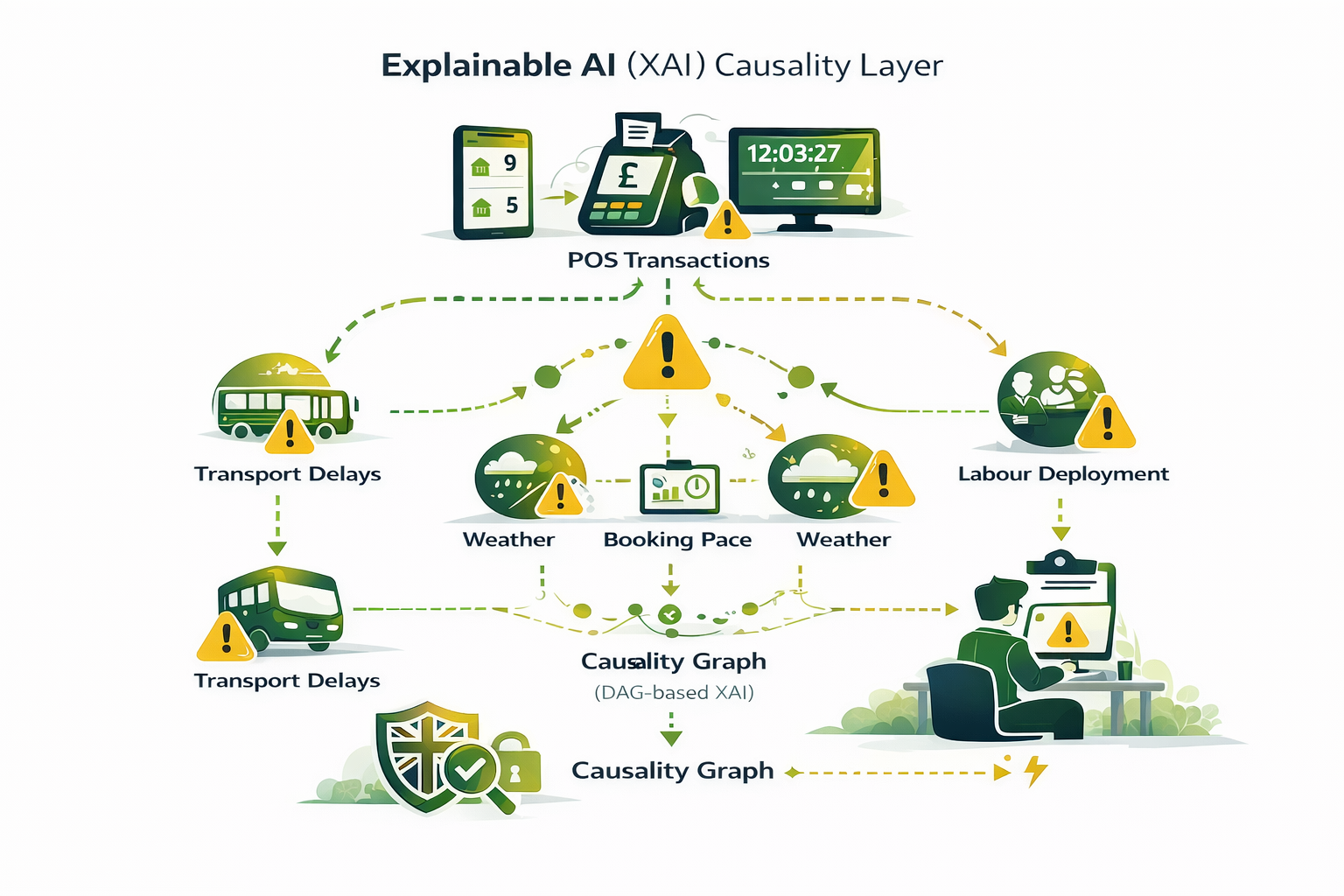
Every directive is backed by a transparent Causality Graph (DAG-based XAI) showing exactly why a staffing cut or prep slowdown was recommended. Managers receive full visibility, maintain final authority, and every action is logged in a GDPR-compliant audit trail for ESG and compliance reporting.
Profit Orchestration Network is powered by six distinct AI innovations each a defensible intellectual property layer in the UK's first real-time profit orchestration platform, purpose-built for the 2025 UK hospitality economic landscape.
Real-time cross-functional profit leakage detection across labour, prep, and waste in a single unified engine.
The core engine employs a multi-agent AI architecture monitoring live POS transactions, actual labour clock-ins, and current inventory levels simultaneously. Using Transformer and DenseNet fusion models, it identifies profit leakage patterns within milliseconds and issues intervention sequences with sub-200ms latency. Unlike legacy ERPs, this operates during service not days after. Patent filing underway for the integrated Margin-at-Risk orchestration logic.
DAG-based causality graphs that show managers exactly why every recommendation was made eliminating the black-box problem.
Unlike generic analytics tools that show only "what" happened, our XAI layer uses Directed Acyclic Graphs (DAGs) to link every forecast and recommendation to specific operational outcomes. If the system suggests sending a staff member home or delaying prep, it shows the exact chain of data (transport delays, weather, live booking pace) that led to the suggestion. This builds front-line trust and aligns with the UK AI Regulation Framework on algorithmic transparency. Patent protection will extend to this proprietary causality architecture.
Probabilistic kitchen production guides that replace rigid par levels and prevent over-production before it happens.
By generating realistic demand simulations using hyper-local variables (weather, transport strikes, live booking velocity), the system converts uncertainty into threshold-based kitchen actions. High-value perishables are prepared just-in-time rather than at shift start directly attacking the UK's £3.2 billion avoidable food waste crisis. Testing shows a 22% reduction in avoidable waste within the first 30 days of deployment. Patent claims will cover the dual-mode inference logic converting demand uncertainty into adaptive kitchen production directives.
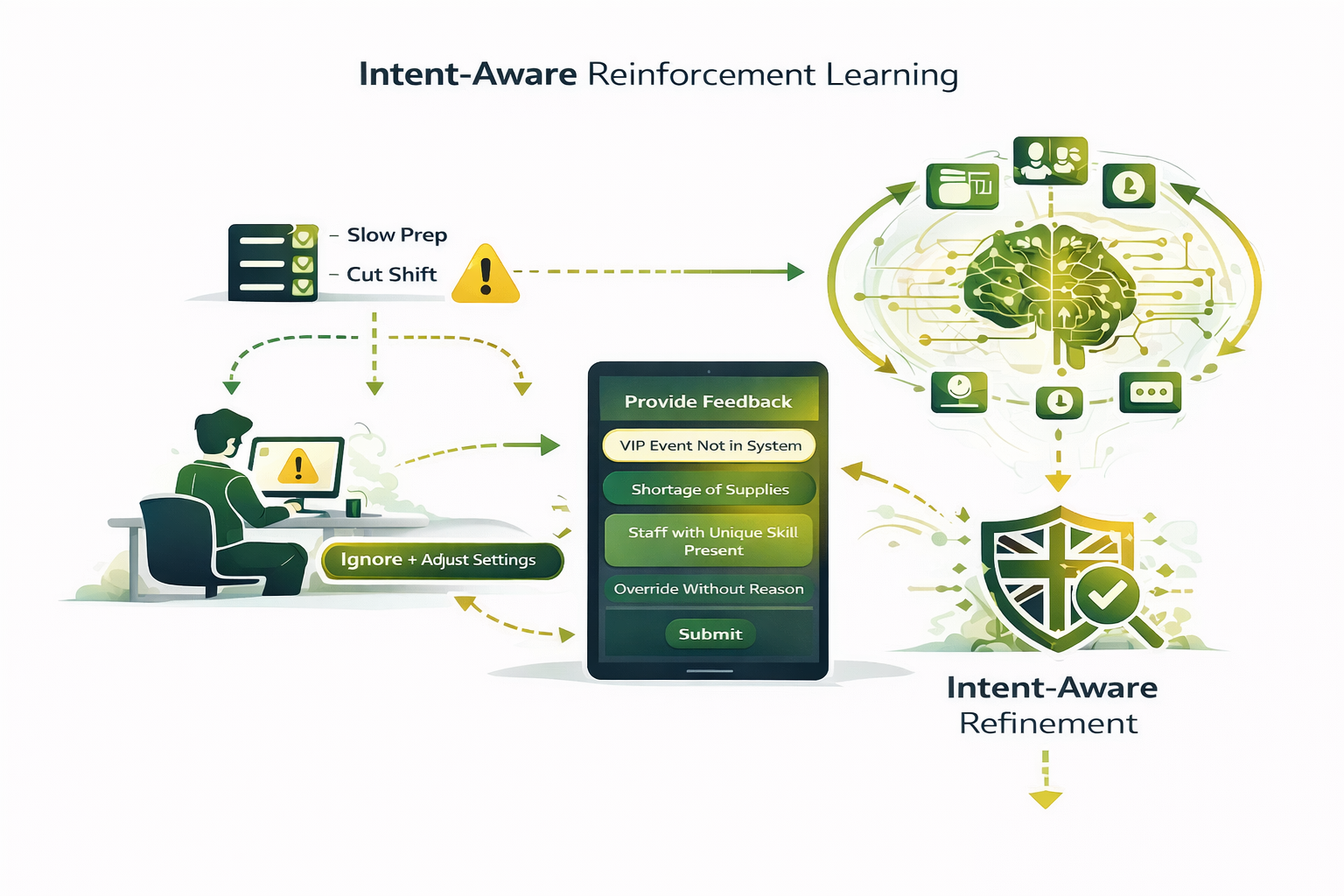
The system learns from human overrides capturing managerial reasoning to eliminate AI fatigue.
When a manager ignores a recommendation, they can provide a one-tap reason (e.g., "VIP event not in system"). The AI incorporates this qualitative feedback into the local site model, ensuring recommendations become increasingly tailored to the unique operational nuances of each venue. This eliminates the "AI fatigue" cycle where repetitive inaccurate recommendations lead managers to abandon the system. Patent protection covers this intent-aware refinement layer and its reinforcement learning feedback loop.
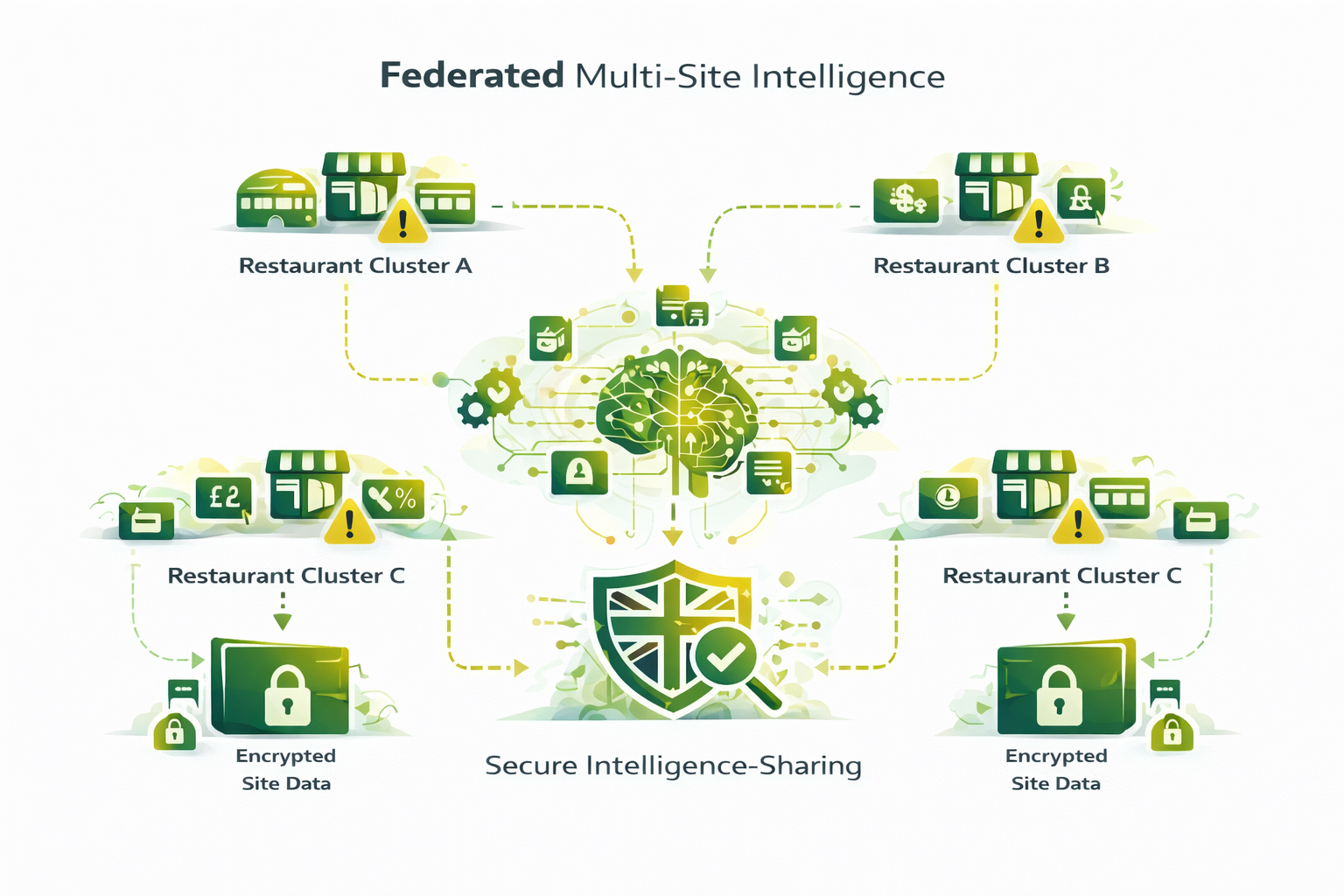
Cross-location learning that lets independent SMEs benefit from collective demand insights without compromising site data privacy.
The federated learning architecture ensures site-specific datasets remain encrypted and local while enabling cross-location pattern recognition. If a regional rail strike impacts one cluster of restaurants, the system automatically adjusts baseline forecasts for similar sites across the UK. Independent operators and SME groups benefit from enterprise-grade collective intelligence previously only available to national chains with massive data teams. Patent claims cover the secure intelligence-sharing mechanism that enables this without compromising data privacy.
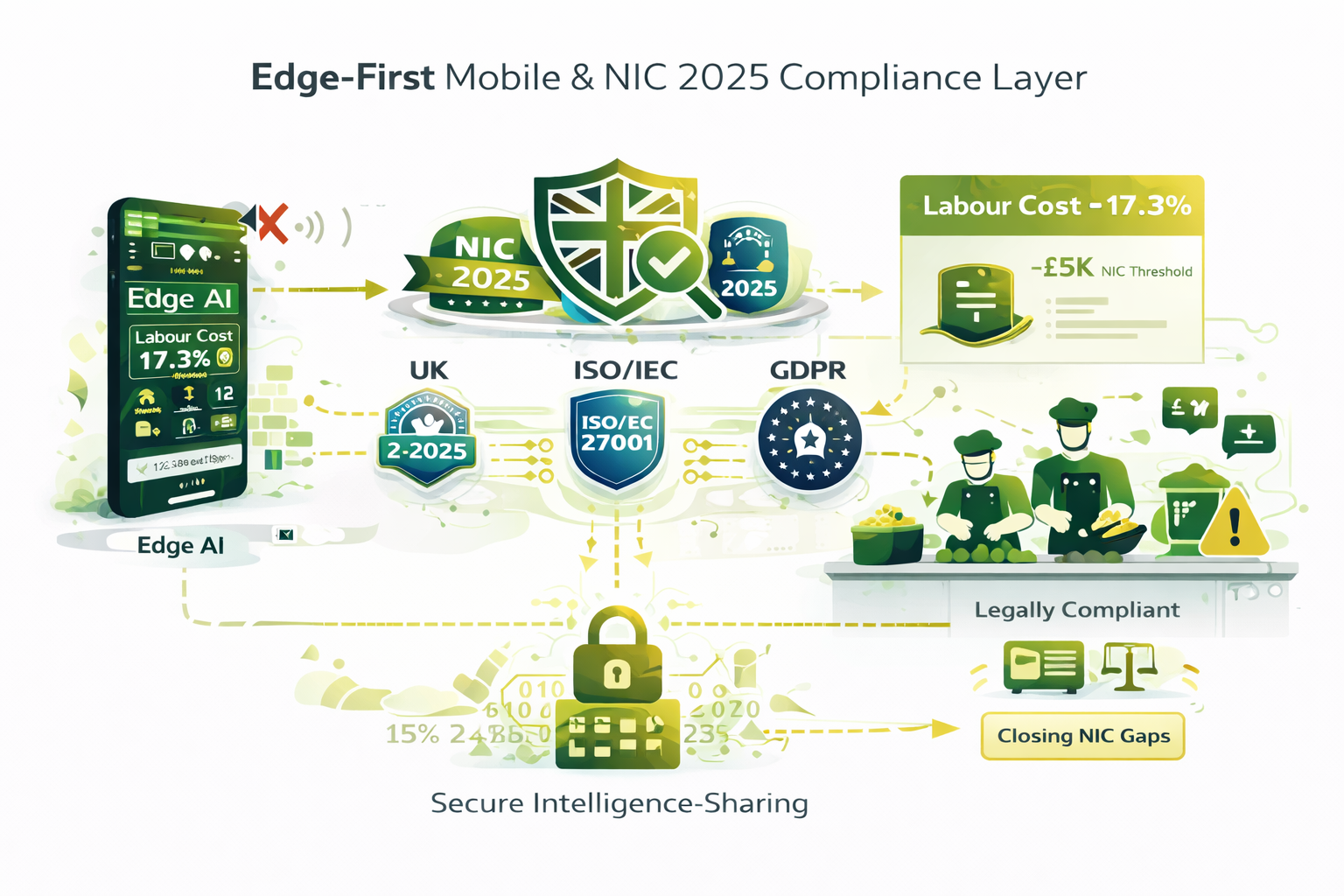
Offline-capable Edge AI for high-pressure environments plus the only platform hardcoded for the April 2025 UK statutory framework.
The mobile-first Edge AI interface performs full demand-to-labour inference locally on standard devices, ensuring zero communication lag between the manager's pocket and the kitchen pass. Critical kitchen prep guides remain available even during local Wi-Fi outages. The compliance layer automatically adjusts all labour recommendations for the new 15% employer NIC rate and secondary threshold drop to £5,000 ensuring every shift is legally compliant and margin-safe. All data undergoes AES-256 encryption with zero-trust architecture, aligned to ISO/IEC 27001 and GDPR.
A Profit Orchestration Network subscription typically pays for itself within 30 days through a 4–6% reduction in labour-to-revenue ratios representing a fraction of the cost of a single month of undetected profit leakage.
For independent restaurants, bistro cafés, and single-site gastro-pubs requiring core margin protection.
£199For regional restaurant groups, gastro-pub estates, and casual dining groups needing multi-site intelligence.
£499For NHS catering, retail food networks, national hotel F&B and large managed estate groups.
CustomUK hospitality operators typically manage sites using disconnected systems for rotas, inventory, and POS. These systems do not communicate in real time, forcing managers to make staffing decisions without knowing the actual prep load, or initiating food prep based on static historical schedules rather than live demand. This "Fragmented Data Trap" causes costly overstaffing during quiet periods and service failures during unexpected peaks. Simultaneously, the April 2025 NIC increases have added roughly £2,500 per full-time employee annually, making manual labour management unsustainable. Profit Orchestration Network closes these gaps by unifying labour, prep, and waste into a single AI-driven Margin-at-Risk engine converting invisible profit leakage into real-time, actionable intelligence.
Traditional kitchen management relies on static "par levels" set at the start of a shift a method that ignores real-time sales velocity and leads to systemic over-preparation. WRAP estimates the UK hospitality sector loses over £3.2 billion per year to avoidable food waste, with 75% being preventable. Our probabilistic modeling system instructs kitchen teams on exactly how much to prepare for the next 60–120 minutes based on live demand data, weather, bookings, and hyper-local events. High-value perishables are prepared just-in-time rather than in advance. Testing demonstrates a 22% reduction in avoidable waste within the first 30 days of implementation typically saving an average site £10,000 annually.
No. Profit Orchestration Network is specifically designed as a software-first "profit intelligence layer" that integrates with existing systems via RESTful APIs and WebSocket connections the same protocols already used by Zonal, Tevalis, Fourth, and major UK WFM stacks. No rip-and-replace of existing POS infrastructure is required. The platform functions as a universal overlay that creates a unified view across disparate systems without capital-intensive changes. For sites requiring offline capability, a lightweight Edge AI module ensures critical kitchen prep guides remain available during local Wi-Fi outages making it ideal even for older UK buildings with unreliable connectivity. Onboarding takes under 48 hours, compared to months for legacy ERPs.
The platform implements a privacy-by-design approach with AES-256 encryption and zero-trust architecture across all data flows. All employee and transaction data undergoes anonymisation for multi-site federated learning, ensuring no identifiable personnel data is exposed to cross-site models. The scheduling logic is hardcoded with UK Working Time Directives automatically alerting for minimum rest period violations and maximum weekly hour thresholds. Shift records are stored in a secure digital audit trail for potential ACAS or employment tribunal review. The platform is registered as a Data Controller with the UK Information Commissioner's Office (ICO) and is aligned to ISO/IEC 27001 and NCSC Cyber Essentials Plus standards.
Profit Orchestration Network is at TRL 7 System Prototype Demonstration in Operational Environment. The functional prototype has been tested across simulated and semi-live hospitality environments including high-volume London gastro-pubs and multi-site casual dining groups. Validated results include 95% demand forecasting accuracy in stable conditions (88%+ during high-volatility events), 22% avoidable waste reduction within 30 days, 4–6% labour-to-revenue ratio improvement, and 99.9% system uptime. The platform has secured 8 Letters of Intent spanning NHS catering (Royal London Hospital), social care (Acorn Care), and retail food networks (Morrisons Daily). The API-based integration framework is ready for plug-and-play deployment with major UK hospitality tech stacks. UKCA certification documentation is in active development, targeting Q4 2025 completion.
Whether you are an independent gastro-pub, regional dining group, NHS catering provider, managed pub estate, QSR franchise, hotel F&B department, or integration partner — we would like to hear from you.